Why industrial drainage failure threatens manufacturing and facility operations
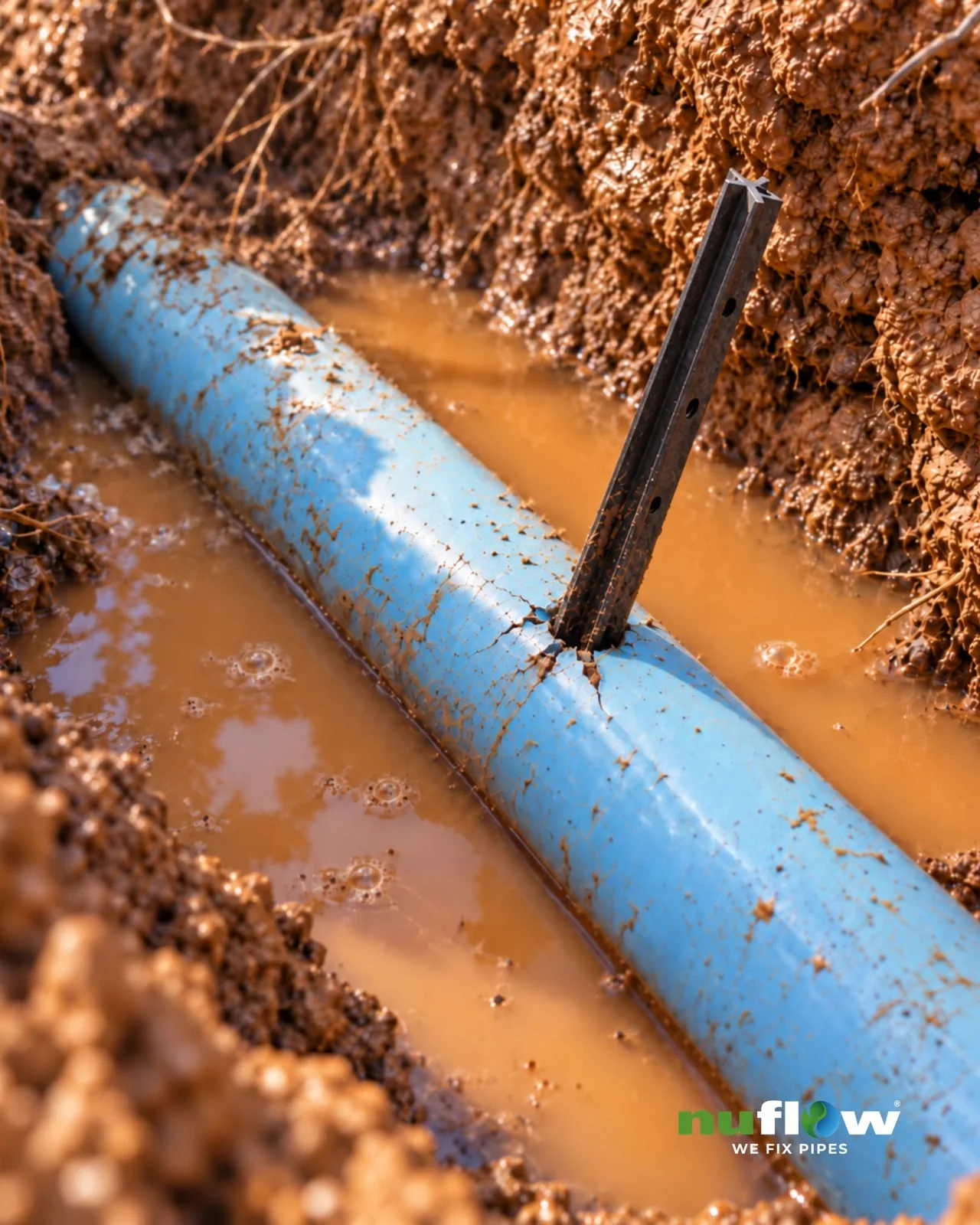
Underground drainage in industrial facilities operates under severe mechanical, chemical and thermal demands. In factories, logistics centres, food processing plants, chemical facilities and transport depots, pipelines carry aggressive trade waste, hot process effluent, oils and caustic washdowns while enduring continuous dynamic wheel loading from forklifts, heavy trucks and container handlers. When these subsurface lines develop fractures, offset joints, corrosion or structural voids, the consequences extend far beyond a standard plumbing blockage. A compromised industrial drain can cause soil subsidence under foundation footings, environmental contamination breaches under Auckland Council and Watercare trade waste bylaws, and hazardous wastewater backups into active production zones. Traditional pipe replacement requires saw-cutting and excavating reinforced concrete floor slabs, isolating critical plant machinery, halting assembly lines and relocating operations—costing tens of thousands of dollars per day in lost productivity. Industrial plumbing pipe relining delivers a high-performance trenchless alternative that rehabilitates deteriorated pipelines entirely from within, eliminating catastrophic operational downtime.
How industrial cured-in-place pipe (CIPP) relining works
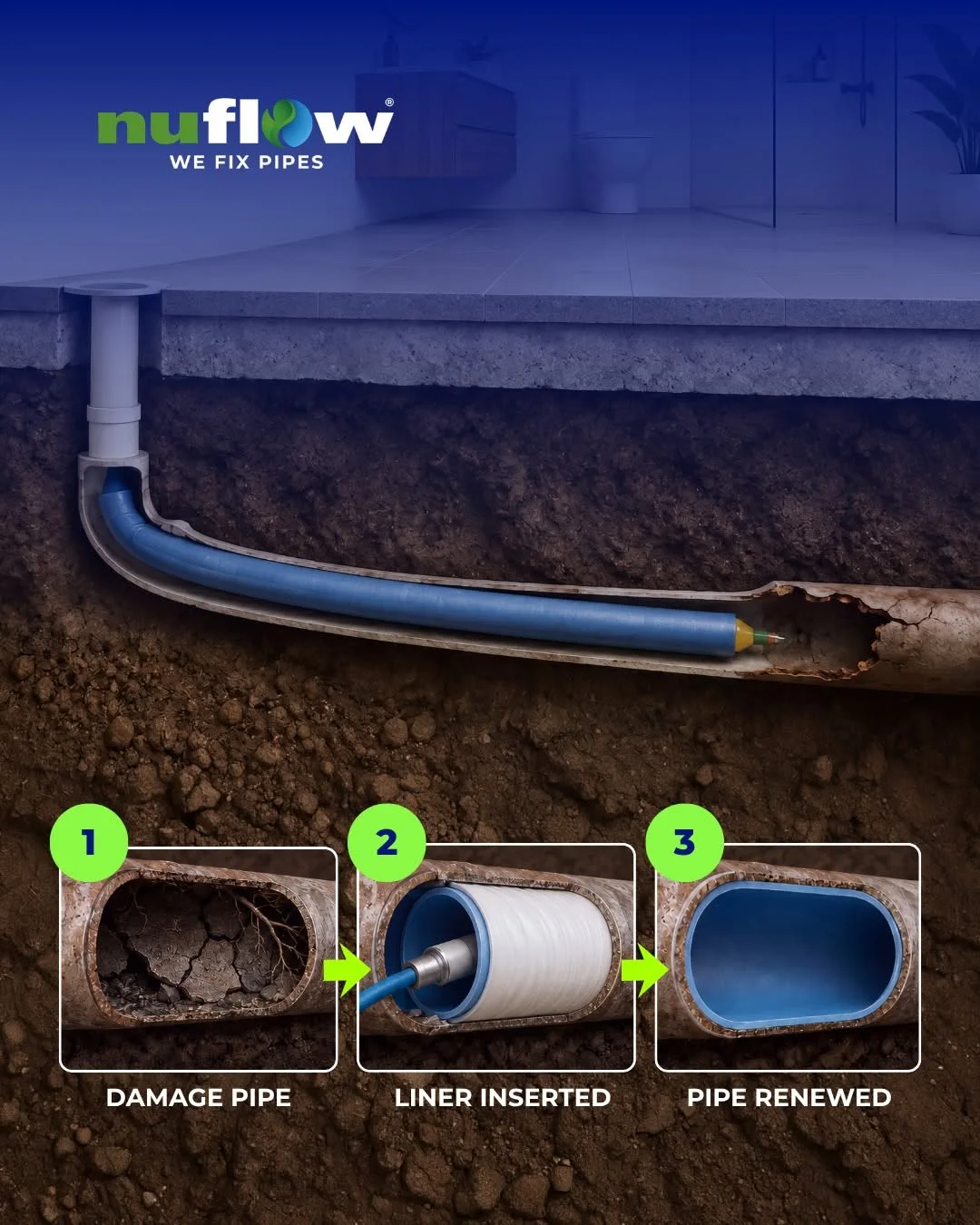
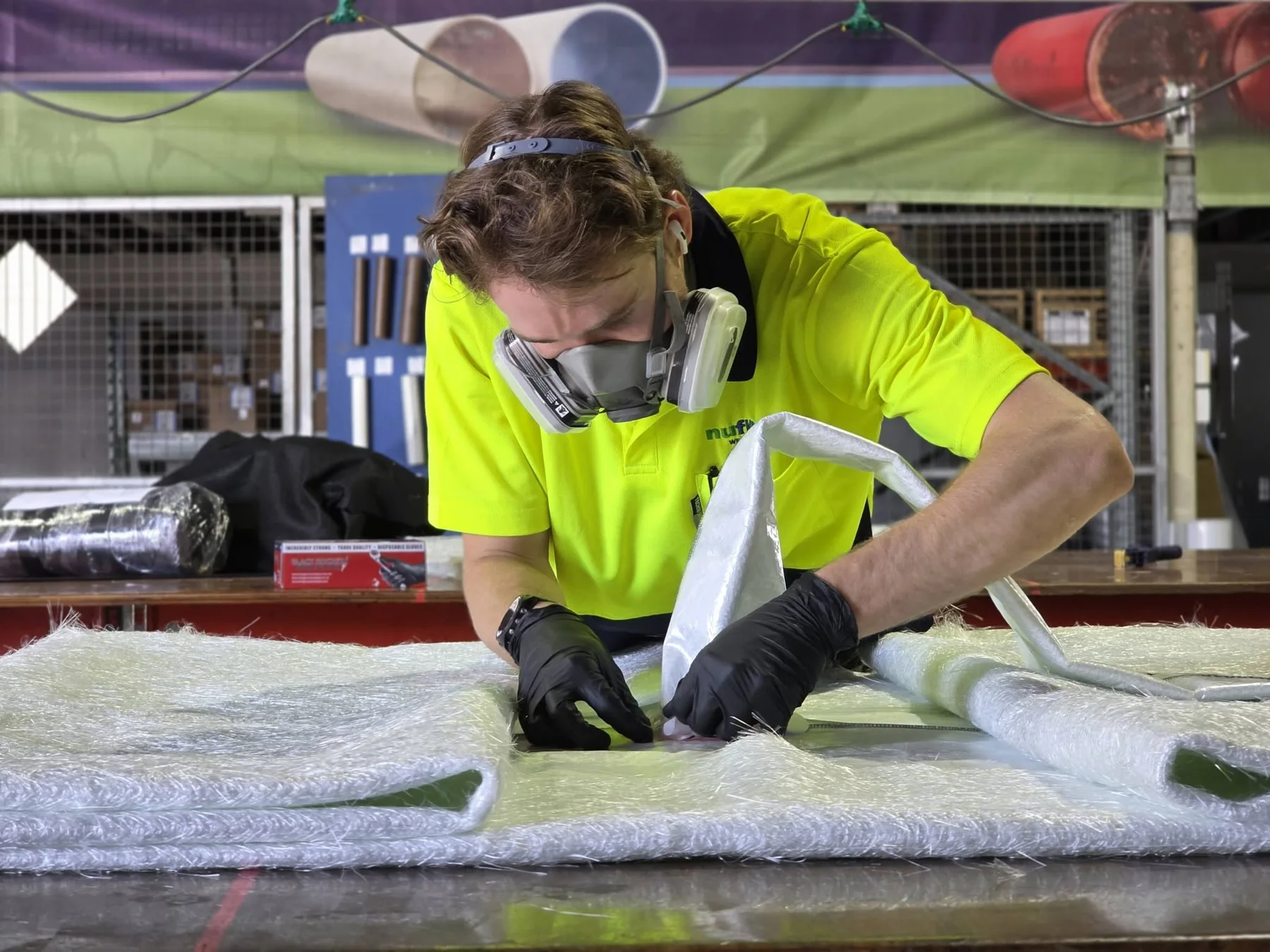
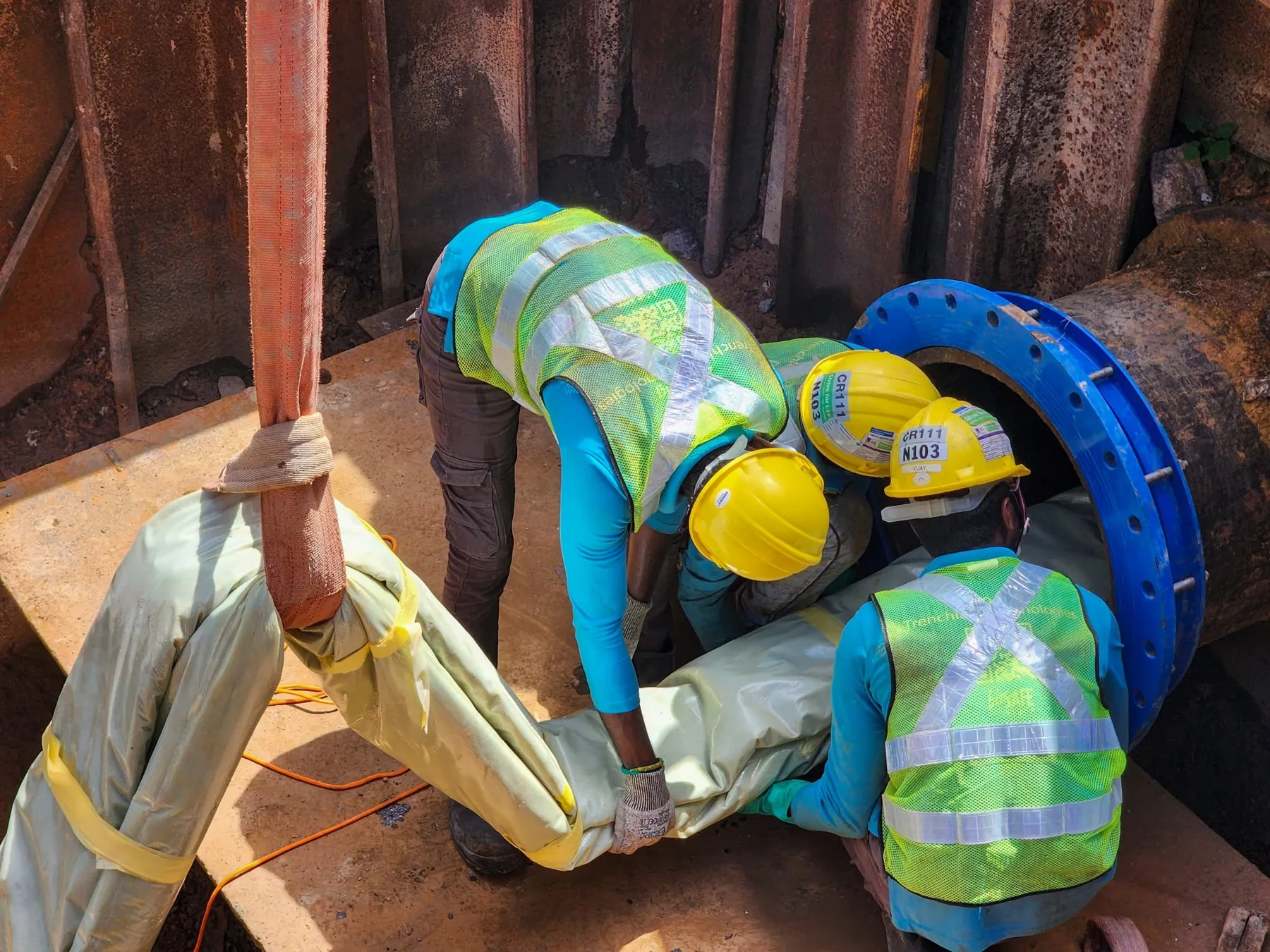
Industrial pipe relining utilises advanced Cured-In-Place Pipe (CIPP) engineering to construct a continuous, jointless structural pipe directly inside the deteriorated host line. The process begins by accessing the affected pipeline through existing inspection chambers, manholes or cleanout points—requiring no floor excavation. A heavy-duty, resin-impregnated textile liner tube (engineered from seamless non-woven polyester needle felt or reinforced glass fibre) is inserted through the pipe using either inversion or mechanical pull-in-place techniques. Once positioned, the liner is inflated against the host pipe walls using compressed air or water pressure. Controlled heat, hot water or ultraviolet (UV) light curing systems initiate an exothermic reaction, transforming the liquid resin into a rock-solid, rigid composite pipe. The newly formed inner pipe bonds tightly to the original line, sealing all structural cracks, fractures and defective joints while restoring complete hydraulic integrity.
Specialised resin chemistry: engineered for chemicals, heat and trade waste
A critical difference between domestic relining and industrial plumbing pipe relining lies in polymer chemistry. Standard domestic epoxy or polyester resins are frequently inadequate for the extreme pH ranges, harsh solvents, hydrocarbons and elevated temperatures characteristic of industrial effluents. Industrial trenchless rehabilitation employs specialised resin systems selected according to the facility's specific operational and trade waste profile. Epoxy resins offer exceptional adhesion, low shrinkage and broad chemical resistance, making them ideal for heavy manufacturing and food production facilities. Vinyl ester and silicate resin matrices provide superior resistance to concentrated acids, alkalis, corrosive hydrocarbons and process fluids operating at elevated temperatures up to 90°C and beyond. Before selecting a lining specification, Nuflow evaluates the temperature, chemical concentration, flow velocity and effluent composition to ensure long-term chemical compatibility and regulatory compliance.
Structural load capacity beneath heavy slabs and transport yards
Industrial pipes buried beneath thick reinforced concrete slabs, warehouse aisles, loading bays and transport logistics yards must withstand substantial static soil surcharge and dynamic live axle loads. Industrial CIPP liners are engineered as fully independent structural pipes conforming to rigorous international standards, including ASTM F1216 and AS/NZS plumbing performance criteria. Even if the original host pipe—whether earthenware, cast iron, reinforced concrete, corrugated metal or PVC—has suffered total circumferential cracking, joint displacement or structural wall loss, an engineered structural liner is designed to bear the full earth pressure, hydrostatic groundwater head and continuous heavy vehicle wheel loads without deflecting. With an engineered design life of up to 50 years, the rehabilitated pipe restores long-term asset reliability beneath critical operational infrastructure.
Minimising plant downtime: off-peak, weekend and live bypass scheduling
In modern 24/7 manufacturing, distribution and warehousing environments, unscheduled downtime is economically prohibitive. Trenchless pipe relining is engineered specifically around facility operational scheduling. Rather than weeks of open excavation, slab demolition, soil removal, pipe laying and concrete curing, most industrial relining installations are executed within a single 8- to 24-hour operational window, scheduled maintenance turnaround or weekend shutdown. Where facility processes cannot be paused, temporary bypass pumping systems are deployed to divert trade waste and sewage around the working section, allowing production to continue uninterrupted. Advanced UV-cured lining technology further compresses installation timeframes, achieving full structural cure in a matter of hours and enabling immediate post-installation recommissioning.
Robotic diagnostics, surface preparation and lateral junction cutting
Industrial pipe rehabilitation demands precision robotics at every stage. The process begins with a comprehensive robotic CCTV inspection utilizing high-definition pan-and-tilt cameras and digital laser profiling to map pipe geometry, identify structural defects, measure internal diameters and locate incoming branch junctions. Next, robotic high-pressure hydro-jetting, high-speed chain flails and mechanical milling equipment scour the interior pipe walls, pulverising heavy trade waste scale, grease deposits, concrete slurry, chemical encrustations and mineral build-up. Once the liner is cured, precision robotic lateral cutters navigate the relined main to reopen and chamfer sealed incoming branch lines from within the pipe—reinstating full multidirectional drainage connections with zero surface intervention.
Total cost of ownership: trenchless relining vs. industrial excavation
When evaluating quotes for industrial drainage repair, facility managers must calculate Total Cost of Ownership (TCO) rather than isolated per-metre material figures. Traditional open-trench excavation incurs massive indirect expenses: slab saw-cutting, structural engineering consultations, demolition disposal of contaminated soil and concrete, heavy equipment rental, barricading and safety containment, loss of production output, staff downtime, and subsequent concrete slab repouring, reinforcing and 28-day curing cycles. By contrast, industrial trenchless pipe relining contains work within existing inspection points, preserves structural building slabs, protects sub-slab utility conduits, avoids environmental cross-contamination, and returns facilities to full production within hours. In commercial and industrial environments, trenchless rehabilitation typically delivers 50% to 75% total project cost savings compared to traditional open excavation.
Key engineering questions facility managers must ask before relining
Before commissioning an industrial pipe relining project, plant engineers and facilities directors should verify several technical parameters with their contractor. Request confirmation of the specific resin matrix proposed and its compatibility documentation for your facility's chemical and thermal effluent. Enquire about the liner wall thickness calculation, ensuring it accounts for soil depth, water table height and dynamic traffic loads under ASTM F1216 formulas. Verify whether incoming lateral branch connections will be reinstated robotically, and confirm that before-and-after high-resolution CCTV footage will be provided for compliance verification. Finally, check the installer's qualifications, site safety protocols and written warranty coverage. Nuflow Auckland West advertises a 50-year guarantee for pipe relining systems, backed by certified plumbing credentials and over two decades of industrial pipe rehabilitation expertise.
Frequently asked questions
Can industrial pipe relining handle chemical trade waste and high temperatures?
Yes. Unlike standard domestic resins, industrial pipe relining utilizes specialized vinyl ester, silicate or industrial epoxy resin systems specifically formulated to resist aggressive trade waste, caustic washdowns, industrial solvents, low and high pH extremes, and operating temperatures exceeding 90°C.
How quickly can an industrial pipe relining project be completed?
Most industrial pipe relining runs are completed within 8 to 24 hours. Work can be scheduled during scheduled plant shutdowns, night shifts or over weekends, eliminating the weeks of disruption, concrete curing and production halts associated with excavation.
Can pipes beneath reinforced concrete factory floors be relined without breaking the slab?
Yes. CIPP relining accesses the underground drainage through existing manholes, cleanout eyes or external inspection pits. The entire structural liner is installed, inflated and cured beneath the intact concrete floor, preserving structural slabs and avoiding equipment relocation.
What pipe diameters and materials can be rehabilitated with industrial relining?
Industrial CIPP systems can rehabilitate pipes ranging from 50mm branch lines up to 1000mm+ large-diameter process mains, stormwater culverts and trade waste sewers, across earthenware, reinforced concrete, cast iron, ductile iron, steel and PVC host pipes.
Ask about your property
Every pipe and property is different. Contact our team to discuss your situation, or explore pipe relining, drain clearing, tree root removal and CCTV inspection across West Auckland.