
What does a commercial drainage assessment involve?
A useful assessment begins with the affected system and the impact on the site. Identify the drainage runs or fixtures involved, how the fault is affecting operations and who can approve investigation. Existing plans and earlier CCTV footage can help establish the scope. The team then discusses available access, inspection and any cleaning needed to see the condition clearly. This creates a basis for decisions about immediate clearance and planned repair. It also helps a facilities manager explain why a particular section needs attention instead of commissioning work based only on a surface symptom.
Can commercial pipes be relined without major excavation?
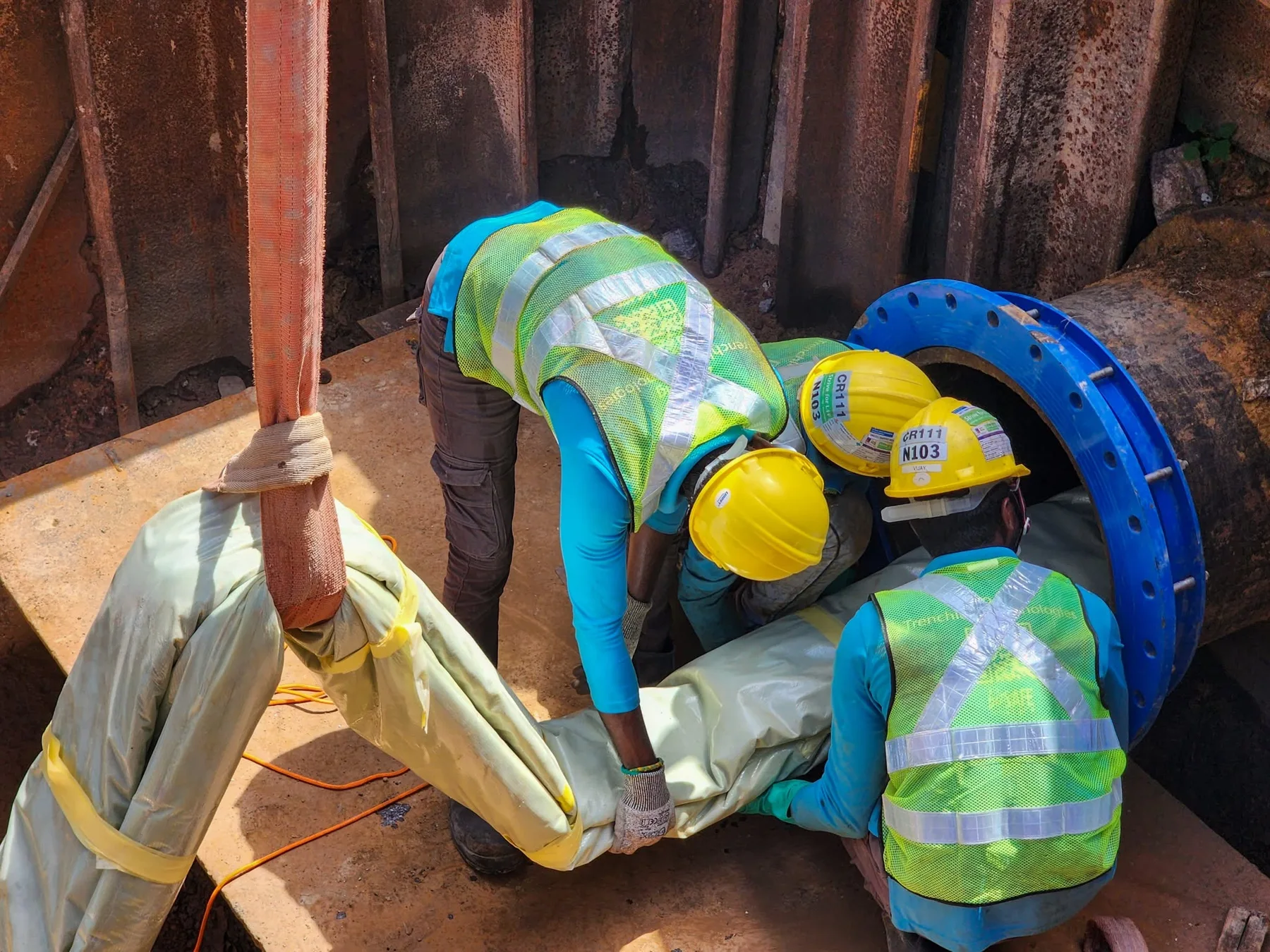
Suitable pipes can be rehabilitated internally, which may reduce the need to disturb finished floors, access routes or landscaped areas. That can be useful where excavation would interfere with an occupied building. However, trenchless work still requires access, preparation and coordination, and some defects cannot be addressed with relining. Ask which areas need to be accessible, where equipment will be positioned and whether any temporary opening is required. The recommendation should reflect the inspected pipe and site constraints, rather than treating minimal excavation as a guarantee for every commercial repair.
How do you plan around tenants, staff and visitors?
Start by identifying critical operating periods, affected fixtures and any areas with controlled access. Provide a nominated contact who can coordinate tenants or site personnel. Where work requires a temporary interruption to drainage, agree which areas are affected and how that will be communicated. Scheduling options, including after-hours availability, can then be discussed for the actual scope. This planning cannot remove every interruption, but it helps avoid preventable surprises. Tell our team about delivery routes, locked spaces and existing site procedures before the appointment so the investigation can be organised around those requirements.
What should a commercial pipe-repair quote explain?
The quote should make the investigated problem and proposed repair scope understandable. Ask which pipe sections are included, what preparation is needed, how access will be arranged and what checks will follow the work. Clarify exclusions such as additional defects outside the inspected section or reinstatement associated with an access opening. Plans are useful, but they do not establish the current internal condition of an existing drain. If footage is incomplete or a blockage limits inspection, discuss how that uncertainty affects the recommendation and what further investigation is needed before committing to the full repair.
Can a school or managed property arrange an assessment?
Yes. Nuflow Auckland West can discuss drainage investigation and suitable repairs for schools, managed properties and other commercial facilities. A school should provide its authorised contact, access windows and applicable site requirements. Property managers should identify tenant arrangements, shared drainage and the person who can approve work. For industrial premises, explain the function of the affected pipe and any relevant operating conditions before booking. The scope and suitability of the work must be confirmed for the actual system; a generic drainage description is not enough to define a specialist industrial project.
What happens after the repair is complete?
Agree the required handover information as part of the scope. Camera checks can help document the repaired section, while the findings should identify any remaining issues outside the completed work. Keep inspection records, the agreed quote and applicable warranty information with the property maintenance documents. If repeat faults have occurred, discuss whether further investigation or a maintenance plan is appropriate rather than assuming one repair resolves every line on site. Contact our team with the West Auckland property address, nominated site contact and available reports to begin planning the assessment.
Start with the building’s operational needs
A drainage issue can affect tenants, staff and visitors. Tell us which parts of the site are affected, who controls access and whether any areas have restricted working hours. We agree a practical investigation plan with your nominated contact.
Inspect, prioritise and explain
CCTV findings help distinguish immediate blockages from pipe defects that need planned work. We can discuss the accessible sections, cleaning requirements and repair options so a property manager can make an informed decision.
Rehabilitation with less surface disruption
Where suitable, relining can repair a pipe internally and reduce the need to disturb finished floors, paved access routes or landscaped areas. Site constraints and pipe condition still determine the method; some work requires access openings or temporary service interruptions.
Schools, facilities and industrial sites
Different sites have different access and coordination needs. For a school, discuss term-time access and nominated contacts. For commercial or industrial work, share available plans and site requirements. We confirm the project-specific scope, timing and documentation before work begins.
Local advice and a clear next step
Contact our team with the property suburb, a description of the symptoms and any previous inspection reports. We will discuss the appropriate assessment and confirm availability. Our normal hours are Monday to Friday, 8 am to 5 pm, with emergency and after-hours work available on request.
Find your West Auckland service area or request an assessment.