
How do tree roots get inside a drain?
Roots can enter through openings such as cracks or damaged joints in underground drainage. Once inside, growth can restrict the available space and trap material moving through the pipe. The presence of a nearby tree does not prove it caused a particular blockage, and symptoms at the surface cannot identify the entry point. Camera inspection helps establish whether roots are actually present and what part of the line is affected. The important distinction is between removing the roots inside the drain and addressing the pipe defect that allowed them to enter in the first place.
What are the signs of roots in a sewer or stormwater pipe?
Recurring slow drainage and blockages that return after clearing can justify checking for roots, but those symptoms also have other causes. Earlier footage showing root growth is much stronger evidence than a guess based on planting near a drain. Tell our team when the problem returns, which fixtures or outdoor drains are affected and what equipment has previously been used. If the issue appears after rain, explain that pattern too. These details help guide investigation without assuming that every slow drain needs root cutting or that every tree near a pipe needs attention.
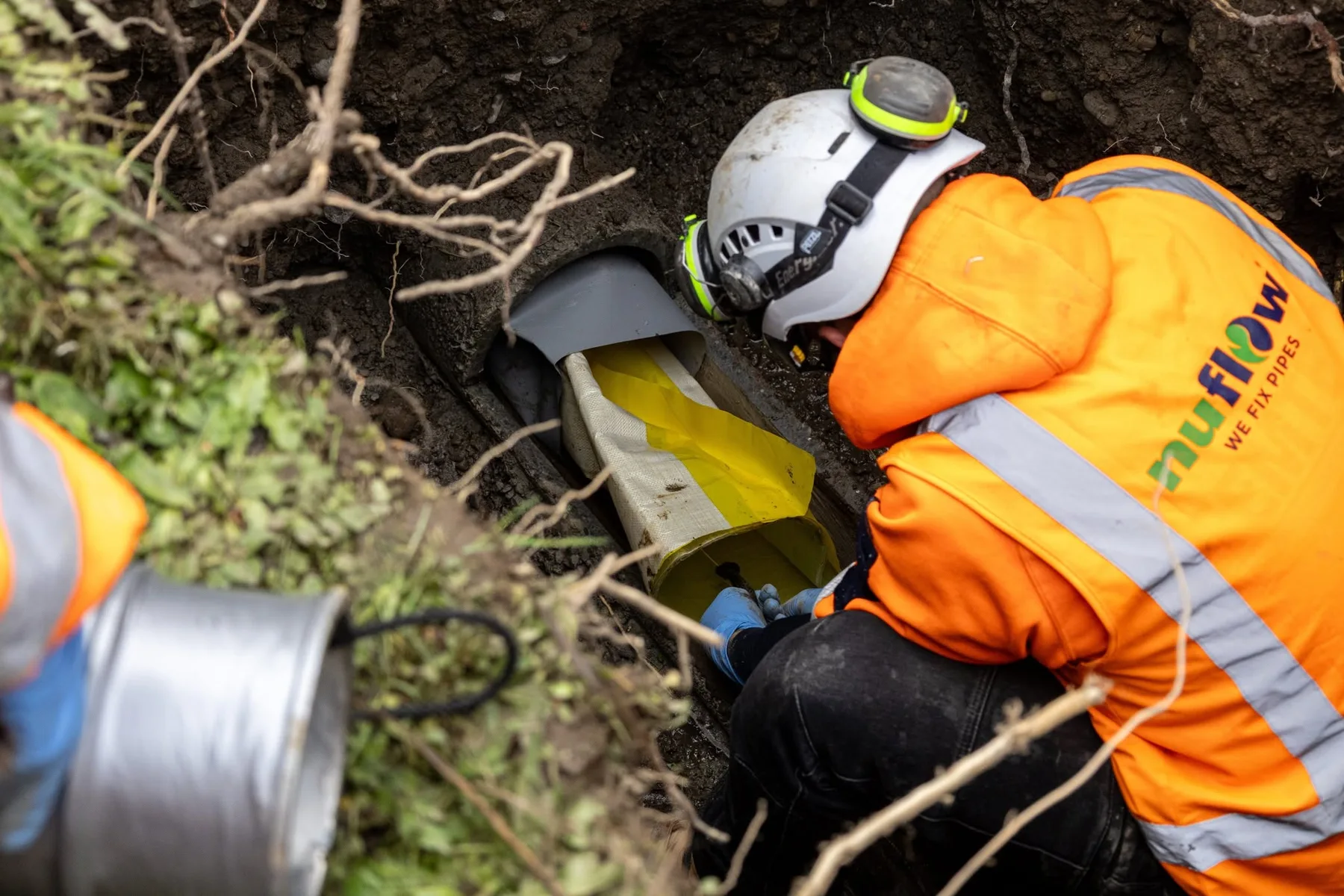
How are roots removed from drainage pipes?
The approach depends on the inspection findings and the condition of the line. Suitable cleaning and specialist root-removal equipment can clear growth from accessible pipework. A badly damaged section may need a different plan rather than aggressive cleaning. After removal, a further camera check can reveal defects that were hidden by the roots. Ask which section has been cleared and whether an entry point remains. That conversation helps separate the immediate objective of restoring flow from the longer-term decision about repairing a cracked or open section of pipe.
Will roots return after the drain is cleared?
They may. Root removal does not automatically close a crack or repair a failed joint. If the opening remains, repeat intrusion is possible, even when drainage initially improves. The timing cannot be predicted from symptoms alone. Keep records of previous clearances and how long the improvement lasted. Where the pipe is suitable, relining may provide an internal repair to the affected section; other defects may require another method. Ask for the options to be linked to the inspected condition so you can compare repeat maintenance with work intended to address the actual entry point.
Can you repair the drain without removing the tree?
Tree removal is not automatically required when roots appear in a drain. Our assessment focuses on access, the pipe condition and available repair methods. A suitable internal repair may reduce the need to disturb the surface above the line, but the recommendation depends on what inspection shows. We do not identify protected-tree requirements or provide arboricultural advice as part of a drainage assessment. If tree work is being considered separately, consult the appropriate specialist. The starting point for the drainage decision is evidence of the defect, not an assumption that the nearest tree must go.
What affects the price of root removal and repair?
The extent of root growth, accessible entry points, pipe condition and required cleaning affect the scope. A quote for clearing roots is different from a quote that includes rehabilitation of the damaged section. Ask which inspections are included and how any repair recommendation will be documented. Share old footage and tell us whether the drain runs below a driveway, garden or building. These details help us plan access and explain the investigation. Our team can then discuss the appropriate assessment for your West Auckland property and the information needed before pricing further repair work.
Why roots need more than a quick clear
Root growth inside a drain can trap waste and restrict flow. Clearing the roots can restore access, but a damaged joint or crack may remain. Understanding that entry point is important when deciding how to reduce repeat problems.
Camera-led root removal
We use inspection findings to plan appropriate cleaning and root removal. Pipe material, condition and access influence the equipment we use. After clearing, the line can be checked again to see the underlying condition more clearly.
Consider the long-term repair
Where the pipe is suitable, relining may seal the damaged section internally. Other situations may need a different repair. We explain the options based on the inspected pipe, rather than claiming that root cutting alone is a permanent solution.
Help us prepare for your visit
Tell us how often the drain has blocked and whether it has been cleared before. Earlier CCTV reports, drain plans and known access points are helpful. We assess the drainage; advice about tree work or protected vegetation should come from the appropriate specialist.
Local advice and a clear next step
Contact our team with the property suburb, a description of the symptoms and any previous inspection reports. We will discuss the appropriate assessment and confirm availability. Our normal hours are Monday to Friday, 8 am to 5 pm, with emergency and after-hours work available on request.
Find your West Auckland service area or request an assessment.