
What can a drain camera inspection show?
A CCTV inspection shows the visible internal condition of the accessible pipe. Footage may reveal roots, deposits, cracks, open joints or other defects that help explain poor drainage. It can also show where visibility is limited. The camera does not see through soil or guarantee that every part of a drainage system has been assessed. Water, dirt, bends and obstructions can affect what is visible. A useful inspection explains both the findings and the limits, so you can distinguish an observed problem from an area that still needs further investigation or cleaning.
When should you book a CCTV drain inspection?
Book an assessment when a blockage keeps returning, you need evidence before planning a repair or you want to understand a known drainage concern. Inspection can also help check a cleaned or rehabilitated section. Tell us why you need the footage: a homeowner deciding on repairs may have different requirements from a facilities manager documenting several lines. If the inspection supports a property purchase or a larger project, explain that scope before booking. A camera visit should answer agreed questions about the pipe rather than leave you with footage that does not cover the issue you wanted investigated.
Does the drain need cleaning before the camera goes in?
Sometimes. A heavily obstructed pipe may prevent the camera from progressing, and deposits can obscure the wall or joints. The first visit may involve checking available access and deciding whether cleaning is needed to obtain useful footage. Cleaning and inspection are related but separate activities, so ask what is included in the appointment. If there is existing footage, share it before the visit; it may help explain where earlier access stopped. We discuss limitations and any additional work rather than assuming a complete survey is possible through an unprepared or inaccessible line.
What information should an inspection report contain?
Agree the required reporting before the inspection. Useful information includes which accessible sections were examined, the observed condition, relevant footage and any limitations or recommended next steps. If a property manager, contractor or project team requires a specific format, provide that requirement when booking. Do not assume a basic camera visit automatically includes every survey or documentation requirement for another organisation. Ask for the findings to be explained in plain language: what was actually seen, why it matters and whether the recommended response is cleaning, further investigation, monitoring or a repair.
How much does a CCTV drain inspection cost?
The scope matters more than the label. The number and length of lines, accessibility, cleaning requirements and reporting expectations can all affect the work involved. A single recurring household fault is different from inspecting several drainage runs across a commercial site. Share any plans, known access points and previous reports so the appointment can be scoped sensibly. Ask what happens if an obstruction prevents the agreed inspection from being completed. A clear quote should help you understand the work included and when additional cleaning or investigation would need to be discussed.
What happens after the inspection?
The next step should follow the evidence. A removable obstruction may need cleaning, while a damaged section may justify assessing relining or another repair. Some findings may need more investigation before a reliable recommendation is possible. Keep a copy of the footage and findings so you can refer back to them when comparing repair options or arranging future work. If rehabilitation proceeds, a later camera check can help document the completed section. Contact our team with your West Auckland address, the symptoms and the purpose of the inspection to arrange an appropriate assessment.
Evidence before excavation
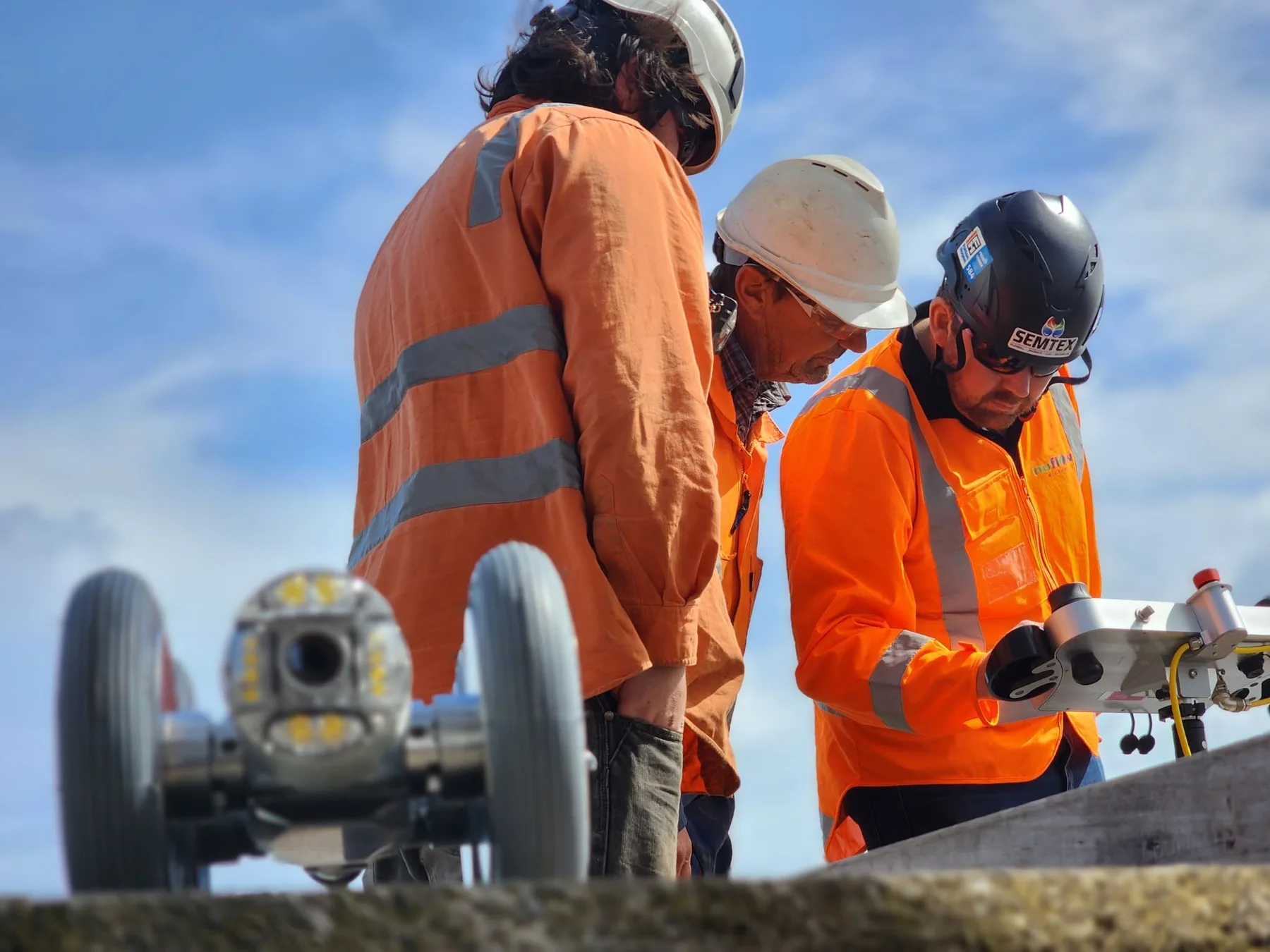
A camera inspection helps identify obstructions, cracks, root intrusion and other visible defects. Instead of relying on symptoms at the surface, we assess the accessible pipe internally and explain what the footage shows.
For recurring problems and planned work
Inspection is useful when a drain keeps blocking, when a repair needs planning or when a property owner wants to understand an existing drainage issue. Let us know the purpose of the inspection so we can agree the required scope and reporting.
Access and visibility matter
Available access points, pipe dimensions and obstructions affect how much of a line can be inspected. A heavily blocked or dirty pipe may need cleaning first. We explain any inspection limitations and distinguish observed defects from areas we could not assess.
Footage you can use
We provide findings and explain repair recommendations in practical terms. After cleaning or relining, we carry out a final CCTV inspection and provide comparative before-and-after footage so you can see the completed work. If you need a particular reporting format for a property manager or project, discuss that before booking.
Local advice and a clear next step
Contact our team with the property suburb, a description of the symptoms and any previous inspection reports. We will discuss the appropriate assessment and confirm availability. Our normal hours are Monday to Friday, 8 am to 5 pm, with emergency and after-hours work available on request.
Find your West Auckland service area or request an assessment.